
Massage preparation
How to Get More From Your Massage Before, During, and After the Session
A better massage starts with a clear goal, useful communication, and simple choices before and after the session.
This guide provides general service information. Confirm personal fit, timing, and health considerations with the SK Longevity team before treatment.
Before your massage: choose one useful goal
You do not need a long list of instructions for your therapist. Start with one useful outcome: less tension in a specific area, a calmer full-body session, focused support after training, or help making movement feel easier.
Mention recent activity, the areas that feel most important, pressure you have liked or disliked in the past, and anything that affects your comfort. That gives the therapist a practical starting point without locking the whole visit into a rigid plan.
Arrive comfortable, hydrated, and not overly full
SK Longevity recommends avoiding a large meal immediately before massage and arriving hydrated for comfort.
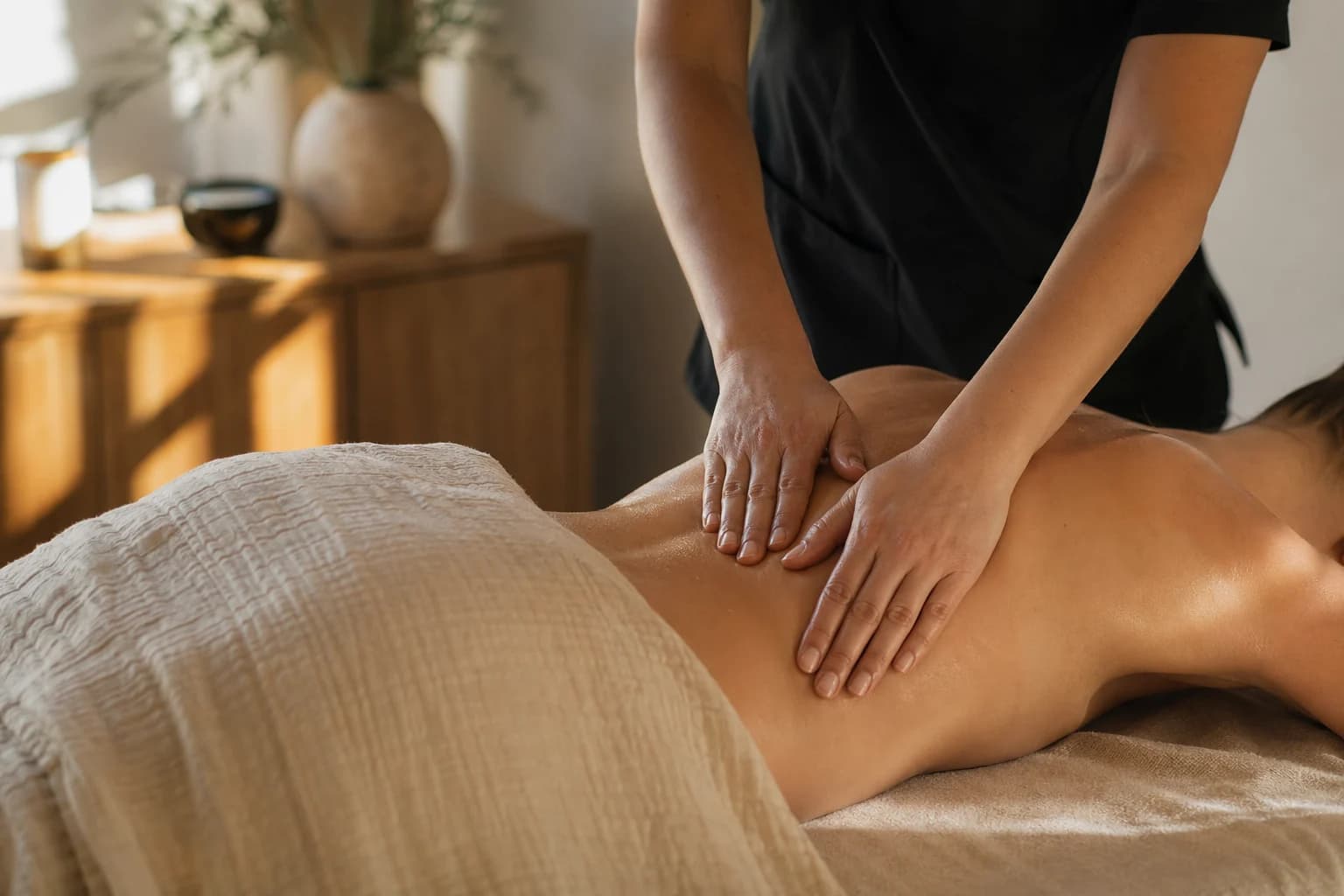
Wear whatever makes arrival and departure easy. During the session, your comfort level determines whether you undress completely under the sheet or leave undergarments on. Professional draping keeps you covered, and you can ask questions before the session begins.
During the session: communicate before discomfort becomes a distraction
Pressure should feel productive without making your body tense or fight back. Because that level is different for every person and can change from one area to another, tell your therapist when pressure needs to increase, decrease, or move elsewhere.
Useful feedback is simple: that pressure feels right, that area is too sensitive, spend more time here, or I would like the rest of the session to feel more relaxing. Communication helps the therapist adapt the visit to your body in real time.
Let the plan change when your body gives better information
The area that feels tightest before the visit may not be the only place that needs attention. A customized massage can combine focused bodywork, stretching, relaxation, deep-tissue techniques, or sports-focused work when those choices fit the session.
Stay open to the therapist's observations while keeping your own goals and comfort central. A good session is collaborative rather than something you simply endure.
After the session: give your body a practical transition
Notice how the treated areas feel after you stand up. Tell the therapist about any activity you plan after the visit, and ask for guidance that fits the session and your comfort.
If a technique, pressure level, or focus area worked especially well, make a quick note for your next visit. That helps future sessions begin with better information.
Build consistency around what actually helps
One massage can be useful, but a routine should be based on your needs, schedule, and response rather than a generic frequency rule. Some people book around training or demanding work periods; others use massage as regular maintenance.
Before rebooking, ask what the therapist noticed, what you should watch between visits, and whether the next session should repeat the same focus or take a different approach.
A simple booking checklist
Choose the session length that fits your day, add a brief note about your goal, and call if you want help matching the visit to a therapist or current availability.
- Main goal for the session
- Top one or two focus areas
- Pressure preference
- Relevant workout, travel, or work demands
- Comfort or scheduling questions for the team
Related services
Continue with the service details.
Ready for the next step?