
Massage planning
Massage Before or After a Workout: How to Time It
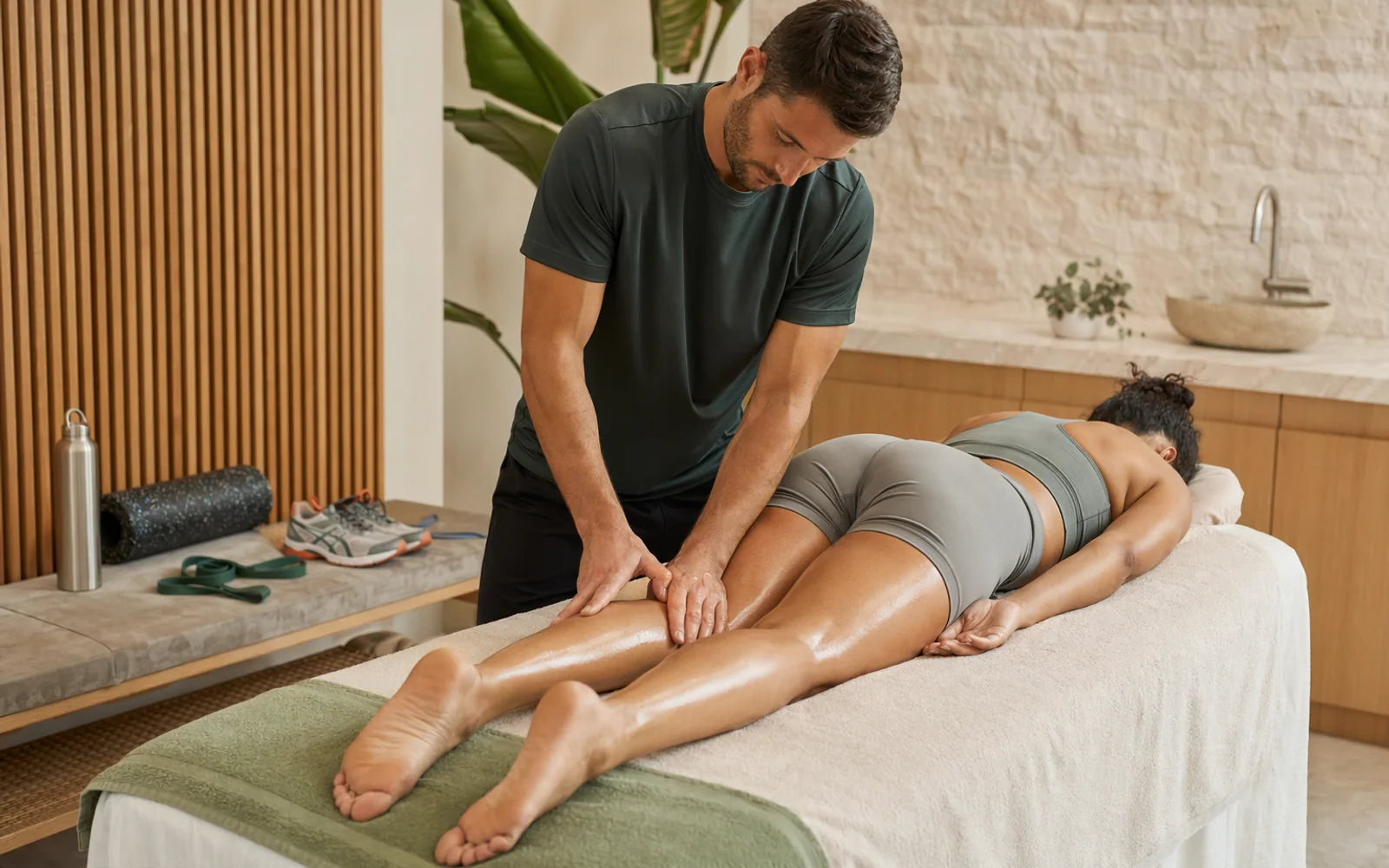
Before or after training can both work. The useful decision is what you tell the therapist about your week, and the one-hour guidance if you train right after.
This guide provides general service information. Confirm personal fit, timing, and health considerations with the SK Longevity team before treatment.
You train most days, something is always a little sore, and you have one massage slot to place inside a busy week. The decision is whether to book before or after training, and what to tell the therapist so the session fits the week around it.
The short answer
Either can work. Some clients use lighter, focused bodywork before activity, while others book after training for recovery support. One timing guideline is worth planning around: if you intend to train after your massage, waiting about an hour can give your muscles time to wake up and feel ready. Beyond that, the placement matters less than the context you give the therapist.
Booking before a workout or event
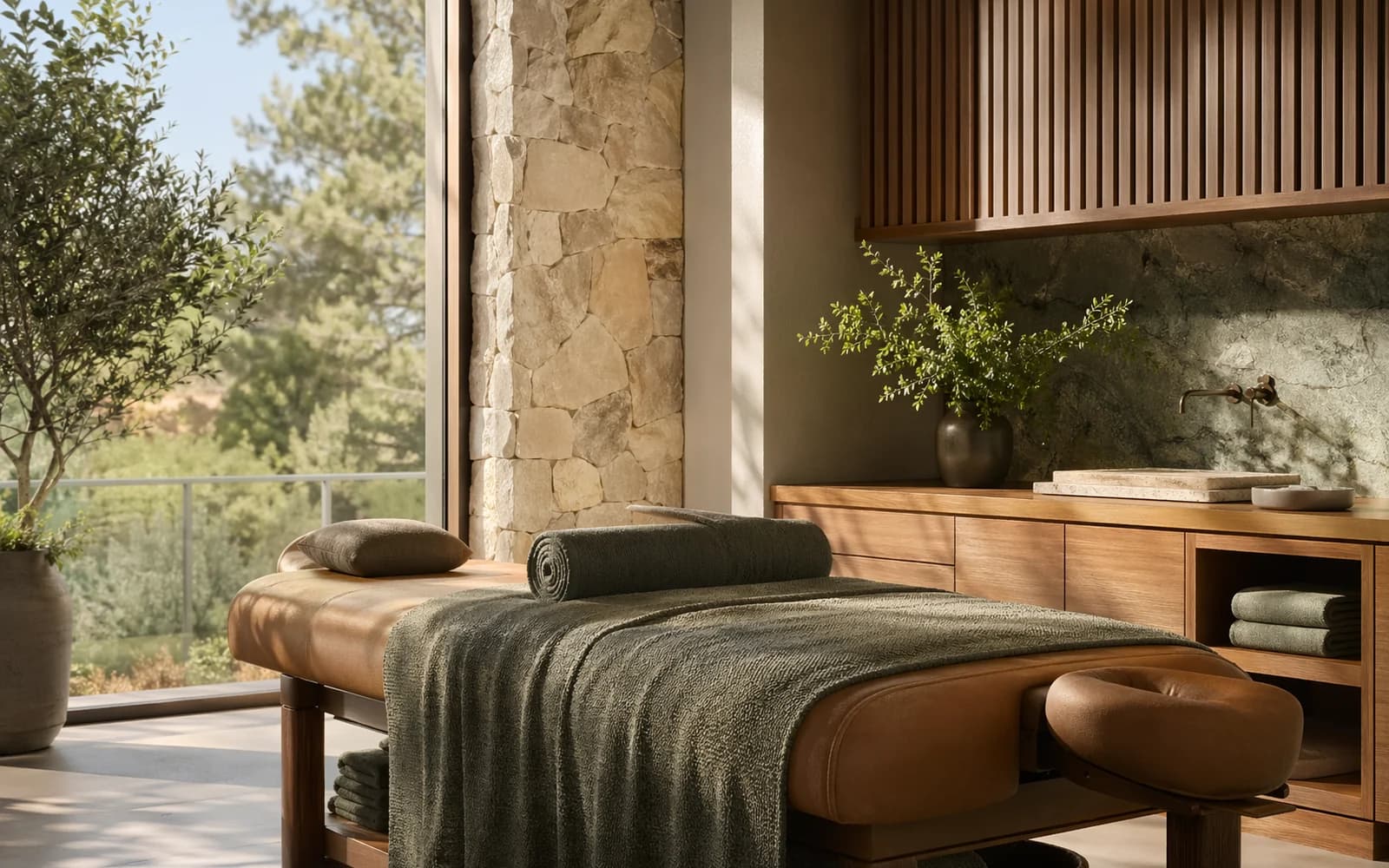
If the session comes before training or an event, say so at the start. Sports-focused techniques can be used to help prepare your body for an event or workout, and the therapist can keep the work appropriate to what you are about to do. Tell them what the workout is, how soon it starts, and which areas need to be ready rather than deeply worked.
Booking after a workout
If the session comes after training, the conversation starts from what you just did. Tell the therapist what you trained, where you feel restricted or overworked, and what the next day or two of your schedule looks like. That context is what shapes the visit. You do not need to prescribe techniques; the session is based on time and your needs, and advanced techniques carry no extra charge for the same session length.
What to say when you book
The booking note does most of the work here. SK asks you to add notes about training, soreness, or target areas so the provider knows before you arrive. A useful note looks like this:
Training for [event or routine]. Sorest areas: [one or two areas]. Session is [before / after] a workout on the same day. Main goal: [what you want to feel different].
Copy that shape, fill in your week, and the therapist starts the session already knowing what you need.
Simple habits that support the visit
- Avoid a large meal immediately before the session.
- Arrive hydrated, and drink water afterward.
- If you plan to train after the massage, allow about an hour before starting.
- Mention pressure that has worked well or poorly for you before.
- Book by time, then let the therapist allocate it around your priorities.
You do not need to be an athlete
The name suggests competition, but the service is broader than that. It can support athletes, active adults, weekend warriors, and anyone dealing with training soreness, repetitive movement, or tight areas that need focused bodywork. If your week is driven by physical work rather than workouts, the same conversation applies. If you are still deciding between the two massage services, the Custom Massage vs. Sports Massage comparison covers that choice directly.
A note on injuries
A massage session works around your training load; it does not evaluate an injury. If something in your week involves sharp pain, a recent injury, or a condition you are managing with your own provider, raise it when you book and with that provider as well, so the session can be planned around it rather than on top of it.
Next step
Book a Sports Massage by time through the booking page, and put your week into the booking note. If the timing question is still open, call the Temecula team and let them help you place the slot.
Related services
Continue with the current service details.
Sports Massage
Sports massage for active clients who want focused bodywork for training soreness, flexibility goals, and high-load areas.
View serviceCustom Massage
Custom Massage personalized around comfort, muscle tension, flexibility goals, relaxation, and regular body care.
View serviceNormatec Compression Therapy
A seated session using inflatable sleeves around the selected area while you relax through a guided cycle.
View service